
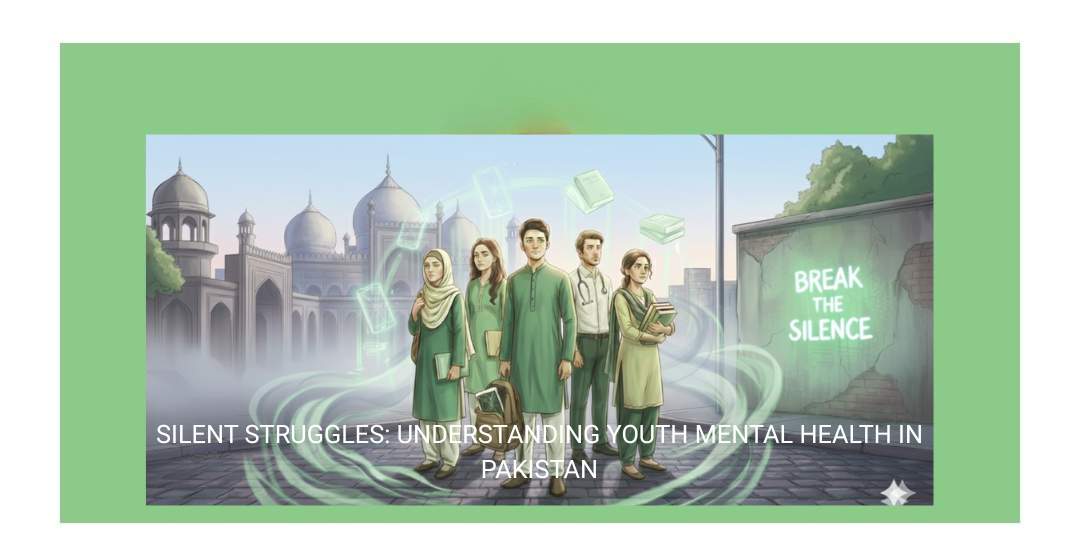
Pakistan possesses one of the world’s most youthful demographic profiles, with individuals under the age of thirty constituting more than sixty percent of the nation’s total population. This vast segment represents a tremendous reservoir of ambition, energy, and potential for national development. However, beneath this promising exterior, a significant and growing number of young individuals are engaged in a quiet but intense struggle with serious psychological challenges, including pervasive anxiety, clinical depression, chronic stress, and profound emotional instability. While generations have always contended with academic demands and social expectations, the current youth cohort navigates a uniquely complex landscape characterized by digital saturation, globalized competition, and evolving identity conflicts.
Regrettably, open discourse concerning mental health remains severely constrained within many segments of Pakistani society, often overshadowed by deep-seated stigma. Psychological distress is frequently mischaracterized as personal weakness, a phase of adolescence, or mere attention-seeking behavior. This widespread misunderstanding and dismissal constitute a major barrier to wellness, making a concerted effort to transform the prevailing narrative an urgent societal priority.

Analyzing the Multifaceted Causes of the Mental Health Crisis
The observable increase in mental health challenges among Pakistani youth over the past decade is not attributable to a single cause but rather to a confluence of interrelated societal, economic, and technological pressures.
1. Intensified Academic and Professional Pressure
Young students and emerging professionals consistently encounter extraordinarily high expectations from their families, educational institutions, and the broader culture. This pressure is dramatically amplified by a competitive job market with limited opportunities, where any perceived setback can feel personally and professionally catastrophic. The relentless pursuit of excellence often leads to emotional burnout, debilitating self-doubt, and a state of persistent stress that undermines both health and performance.
2. Profound Economic Instability and Uncertainty
Concerns regarding future financial security weigh heavily on the minds of many young adults. The anxiety generated by uncertain career prospects and the challenging economic landscape can erode an individual’s sense of stability and optimism, directly impacting their overall emotional well-being and life planning.
3. The Psychological Impact of Social Media and Digital Culture
Digital platforms have fundamentally reshaped social interaction and self-perception. The constant exposure to curated, idealized representations of peer success and lifestyle fosters unhealthy social comparison. This environment, coupled with experiences of cyberbullying and the promotion of unrealistic standards, frequently damages self-esteem and contributes to a paradoxical sense of isolation despite being perpetually connected online.
4. A Systemic Lack of Emotional Support Systems
Meaningful conversations about emotional and psychological states remain rare in many homes and communities. Young individuals expressing distress are often met with dismissive platitudes that invalidate their experiences, such as being instructed to simply “get over it” or to “think positively.” This invalidation discourages help-seeking behavior and forces many to suffer in silence until a crisis point is reached.
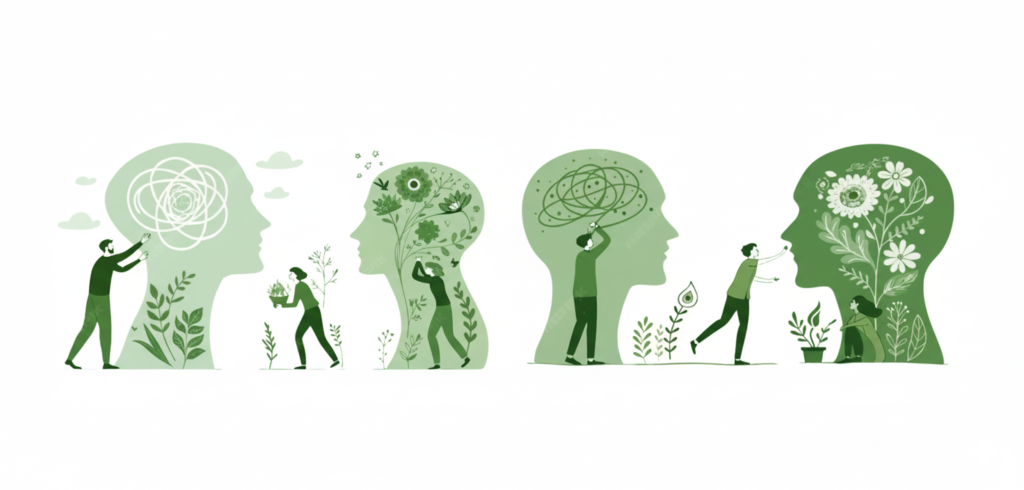
5. Compounded Gender-Specific Stressors
Young women and girls in Pakistan frequently navigate an additional layer of societal constraints and expectations. Issues related to personal mobility, safety, family honor, and prescribed social roles can create unique and intense sources of psychological pressure, often internalized due to cultural taboos surrounding the open expression of female distress.
The Critical Importance of Investing in Youth Psychological Wellbeing
Cultivating a mentally healthy younger generation is not merely an act of compassion but a critical investment in the nation’s social and economic future. When young people receive appropriate support and develop emotional resilience, they are far more likely to achieve academic success, build stable and healthy interpersonal relationships, make constructive life decisions, and ultimately contribute as innovative and productive members of society. Therefore, neglecting the mental health of the youth population entails substantial risks that extend far beyond the individual, affecting national progress and stability.
Constructive Pathways Toward Stigma Reduction and Systemic Support
Addressing this crisis requires a multi-pronged, collaborative approach that engages families, educational institutions, and policymakers.
1. Initiating Compassionate Dialogue Within Families
The foundation of support begins in the home environment. Parents and caregivers must strive to cultivate atmospheres of unconditional acceptance and open communication, where young people feel secure in sharing their vulnerabilities without fear of criticism or reprisal.
2. Integrating Mental Health Literacy into Educational Curricula
The education system must expand its mandate beyond academic instruction to include the development of emotional intelligence. Schools and universities should implement structured programs focusing on stress management, emotional literacy, and the normalization of counseling, thereby equipping students with essential life skills.
3. Developing and Formalizing Peer Support Networks
Recognizing that peers are often the first confidants, institutions can empower young people by training them in basic mental health first aid, active listening techniques, and compassionate, non-judgmental support strategies.
4. Promoting Intentional and Healthy Digital Engagement
Society must encourage more conscious relationships with technology. This includes advocating for periodic digital detoxification, establishing personal boundaries for screen time, and fostering awareness about the often-artificial nature of online personas.
5. Expanding Access to Affordable Professional Care
There is an urgent need to develop infrastructure that makes professional psychological support more accessible and affordable. This includes increasing the number of trained counselors, establishing dedicated helplines, launching community-based mental health programs, and normalizing therapy as a routine component of healthcare.
Conclusion: Fostering a Resilient and Emotionally Healthy Generation
Ultimately, psychological well-being must be recognized as a fundamental human requirement and a cornerstone of a fulfilling life. By openly acknowledging the complex mental health challenges confronting young Pakistanis and implementing a comprehensive framework of support, we can nurture a generation defined not only by its intellectual and professional capabilities but also by its emotional strength, empathy, and resilience. The future prosperity and harmony of Pakistan are inextricably linked to the psychological welfare of its youth, necessitating a collective commitment to provide them with the understanding, resources, and space necessary to heal, develop, and realize their full potential.